Chinese Characters
Introduction
Chinese characters, known as 汉字 (hànzì) in Mandarin, are logographic symbols used in the writing system of the Chinese language. Unlike phonetic alphabets, each Chinese character represents a syllable and carries its own meaning. Used by over a billion people, these characters are the primary script for the Chinese language and have a profound influence on the cultural and linguistic landscape of East Asia. Historically, they have evolved from ancient pictographs and ideographs to the complex system used today.
History
Origins
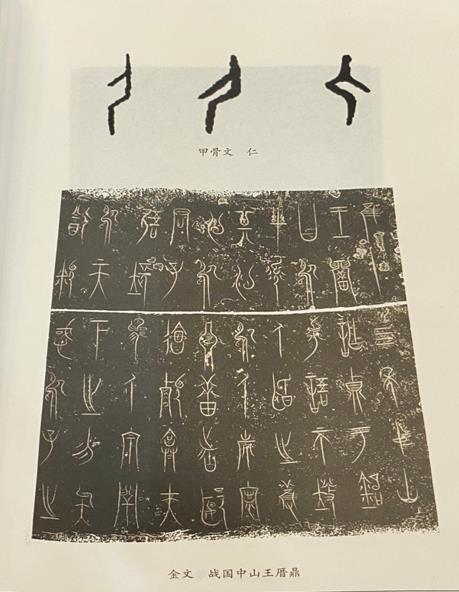
The origins of Chinese characters can be traced back to at least the Xia Dynasty (c. 21st century-16th century BC), with significant evidence found in the form of oracle bone inscriptions from the Yin ruins of Anyang, dating back 3,300 years. These inscriptions, carved into animal bones and tortoise shells, represent some of the earliest forms of Chinese writing. The oracle bone script was used primarily for divination and records, offering insights into the language and culture of the Shang Dynasty (c.16th century-11th century BC). The characters evolved from pictographs, which depicted objects, to ideographs, which convey abstract ideas, laying the foundation for the complex writing system.
Evolution
Over the centuries, Chinese characters underwent significant transformations. From the oracle bone script, they evolved into the bronze inscriptions used during the Zhou Dynasty (770-256 BC), and later into the seal script of the Qin Dynasty (221-206 BC), which standardized Chinese writing. The Han Dynasty (206 BC-AD 220) saw the development of the clerical script, which improved writing speed and influenced modern forms. The regular script, emerging during the Eastern Han, became the basis for contemporary Chinese characters, offering a balance between beauty and functionality. Throughout this evolution, the characters retained their logographic nature, allowing them to preserve cultural continuity.
Structure
Components
Chinese characters are constructed from various components, including radicals and phonetic elements. Radicals, which are often the semantic component, provide clues to the character’s meaning or category, such as water, fire, or metal. Phonetic components suggest pronunciation, although they are not always accurate due to historical sound changes. Characters may consist of a single component, as in simple characters, or combine multiple components, forming compound characters. The interplay of these elements creates a system that is both logical and artistic, reflecting the intricate nature of the Chinese language.
Stroke Order
The proper stroke order is vital in writing Chinese characters, ensuring both readability and aesthetic appeal. Stroke order follows specific conventions, such as writing from top to bottom, left to right, and horizontal strokes before vertical ones. Adhering to these rules not only facilitates learning and memorization but also aids in achieving the fluidity associated with Chinese calligraphy. Mastery of stroke order is essential for both traditional and modern applications, contributing to the character’s structural integrity and visual harmony.
Classification
Simplified vs Traditional
Chinese characters are classified into two main forms: simplified and traditional. Simplified characters, developed in the mid-20th century, were created to promote literacy by reducing the number of strokes in complex traditional characters. They are predominantly used in the Chinese mainland and Singapore. In contrast, traditional characters maintain their original complexity and are used in China's Taiwan, Hong Kong, and Macao. The debate over simplified versus traditional characters encompasses issues of cultural preservation and practical utility, reflecting broader discussions about language and identity.
Radical System
The radical system is a fundamental aspect of Chinese character classification. Radicals, also known as 部首 (bùshǒu), are basic components that categorize characters based on shared semantic elements. There are 214 radicals in the Kangxi Dictionary, which serve as the basis for organizing characters in dictionaries and other reference materials. Recognizing radicals aids in understanding character meanings and facilitates efficient dictionary lookup. This system reflects the logical and hierarchical nature of the Chinese writing system, providing insights into the structure and meaning of characters.
Usage
Modern Applications
In modern times, Chinese characters are used in a variety of applications, including newspapers, books, digital media, and signage. They are integral to communication in Chinese-speaking regions and are increasingly studied as a second language globally. The digital age has seen the adaptation of characters for use in technology, with input methods and software enabling efficient typing and communication. Additionally, Chinese characters are used in branding and design, reflecting their aesthetic appeal and cultural significance.
In Literature
Chinese literature, spanning over millennia, relies heavily on the written character for expression and preservation. From classical poetry and historical texts to contemporary novels, characters convey complex ideas and cultural nuances. The beauty of Chinese calligraphy and the historical evolution of the script add depth to literary works, making the study of characters essential for understanding Chinese literary heritage. The characters’ ability to convey layered meanings and emotions underscores their importance in the literary world.
Cultural Significance
Chinese characters carry profound cultural significance, embodying the philosophy, history, and identity of the Chinese people. Each character is a repository of cultural knowledge, reflecting the values and beliefs of the society that created it. The aesthetic qualities of the script are celebrated in calligraphy, an art form that emphasizes the beauty and rhythm of characters. Additionally, Chinese characters have influenced the writing systems of neighboring cultures, such as Japanese Kanji and Korean Hanja, demonstrating their far-reaching impact. Their role in festivals, traditions, and art highlights their enduring cultural relevance.
Influence on Other Languages
Chinese characters have had a significant influence on other languages, particularly in East Asia. Japanese Kanji and Korean Hanja are derived from Chinese characters, integrating them into their respective writing systems. This influence extends beyond the characters themselves, as the philosophical and cultural concepts embedded in the script have shaped regional languages and cultures. The cross-cultural exchange facilitated by Chinese characters underscores their role as a bridge between different linguistic traditions.
Preservation and Promotion
Efforts to preserve and promote Chinese characters are ongoing, reflecting their cultural and historical importance. Initiatives such as design contests, exhibitions, and educational programs aim to raise awareness and appreciation for this unique script. Scholars and artists continue to explore the philosophical and aesthetic dimensions of characters, ensuring their relevance in contemporary society. The global interest in Chinese culture and language further supports the preservation of characters, fostering a deeper understanding of their significance and beauty.








